The Menopause Belly Fat Guide
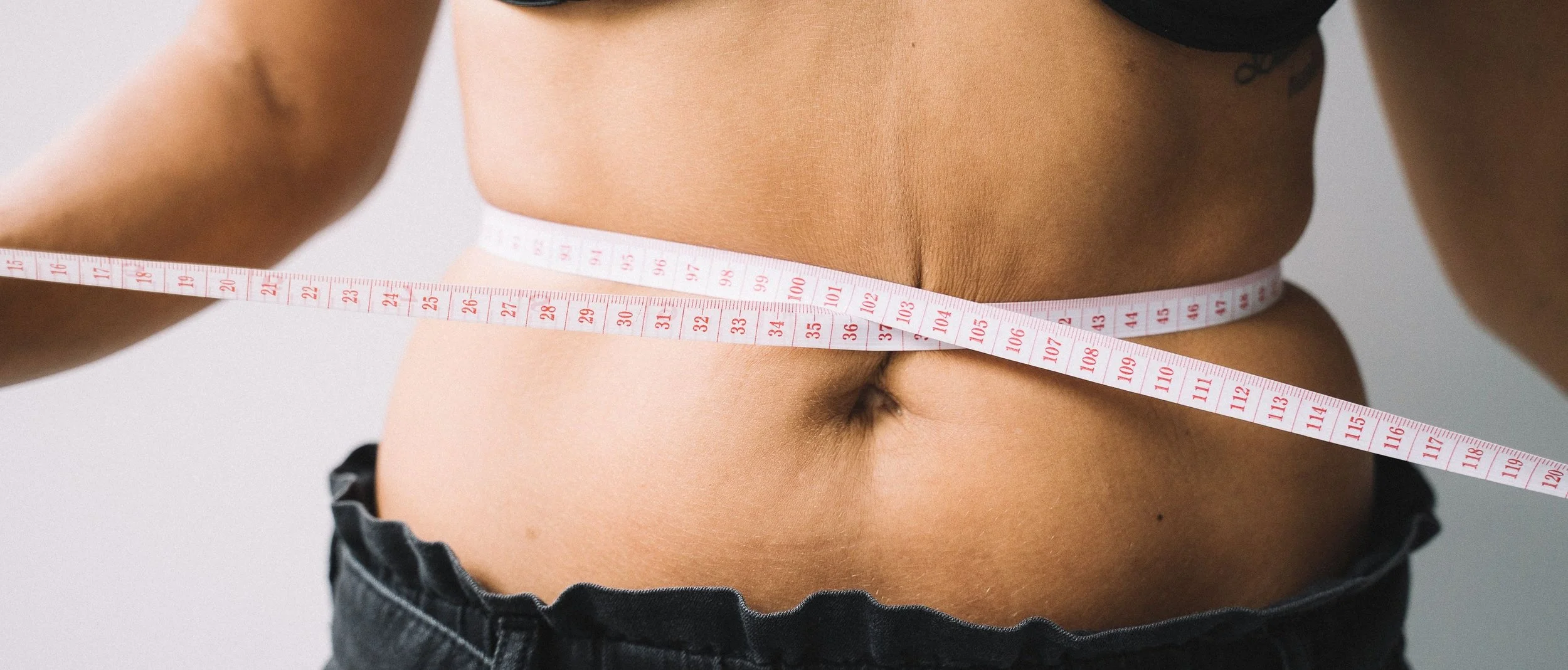
Reasons Your Weight May Feel Stuck After 40 — Even When You’re Eating Healthy and Exercising
Why Your Body Is Changing
Why does weight suddenly feel different in menopause?
You may be eating the same way, exercising the same way, and still noticing more belly fat or a body that no longer responds the way it used to.
During perimenopause and menopause, changes in estrogen, progesterone, testosterone, sleep, muscle mass and insulin sensitivity can all influence body composition.
That does NOT mean weight loss is impossible.
It means we need to stop guessing and look at the factors that may actually be contributing.
Here are the 5 areas to look at first.
1. Loss of Muscle
As estrogen and testosterone decline with age, women may gradually lose lean muscle, especially if they aren’t strength training or eating enough protein.
Less muscle means lower energy expenditure and poorer glucose disposal.
This is why strength training and adequate protein become even more important after 40.
2. Insulin Resistance / Blood Sugar
Estrogen plays a major role in insulin sensitivity. As hormones change, some women become more prone to insulin resistance.
If insulin and blood sugar are chronically elevated, weight loss can become more difficult and abdominal fat may increase.
3. Thyroid Function
Thyroid hormones strongly influence energy and metabolism.
Many women have only had TSH checked, while a more complete thyroid evaluation may include free T4, free T3 and thyroid antibodies depending on symptoms and history.
4. Sleep + Stress
Poor sleep can increase hunger, cravings and fatigue and make it harder to stay consistent with nutrition and training.
Menopause symptoms such as hot flashes, night sweats, insomnia and anxiety can make this even worse.
5. Nutrition + Calorie Intake
Eating healthy does not automatically mean your nutrition matches your goal.
You may be:
eating too little protein
consuming more carbohydrates than you realize (even healthy sources of carbs)
consuming inflammatory ingredients that impact your gut and cause inflammation
getting too little fiber
drinking calories
eating too little overall and struggling with hunger/rebound eating
Before cutting calories lower, understand what you’re actually eating.
What I Would Check
Before You Cut More Calories, Look Under the Hood
If you’ve been consistent with nutrition and exercise and your weight still isn’t responding, bloodwork can help uncover factors that may be contributing.
Metabolic
Fasting glucose
Fasting insulin
HbA1c
CMP
Thyroid
TSH
Free T4
Free T3
TPO antibodies
Thyroglobulin antibodies
Hormones
Estradiol
Progesterone when appropriate
Total testosterone
Free testosterone
SHBG
DHEA-S
Nutrients / blood health
CBC
Ferritin
Iron/TIBC
Vitamin D
B12
Cardiometabolic
Lipid panel
ApoB
You do not necessarily need every marker in every situation — testing should be based on symptoms, history and goals.
What To Do This Week
Your 7-Day Starting Checklist
1. Prioritize protein
Aim for a meaningful protein source at every meal.
2. Strength train
Build and preserve muscle instead of relying only on cardio.
3. Walk every day
Especially after meals when practical.
4. Track your food for 7 days
Not forever — just long enough to understand calories, protein, carbs, fat and fiber.
5. Build meals around protein + healthy fats
Then add carbohydrates based on your individual needs.
6. Protect your sleep
Consistent bedtime/wake time, dark room, cooler room, manage caffeine.
7. Stop assuming you just need to eat less
If you’re doing everything “right” and still struggling, investigate what else may be contributing.
That’s it.
Two Ways I Can Help You
Ready to Go Deeper?
1. Uncover what may be happening internally
Get my comprehensive blood panel and results review (only for women in the US).
We’ll look at metabolic health, thyroid, hormones, iron/nutrient status and other markers that may be contributing to fatigue, stubborn weight and poor recovery.
2. Learn exactly how to eat for menopause weight loss
Join my 7-Day Menopause Belly Reset
I walk you through:
how to build meals
how to grocery shop
how to read nutrition labels
how to calculate protein and macros
what foods to prioritize
how to create a sustainable calorie deficit